
Table of Contents
Share Post
5 Self-Hypnosis Techniques for Immediate Relief
Feeling overwhelmed, anxious, or stressed? Self-hypnosis offers powerful tools for quickly shifting your mental and emotional state without medication or lengthy therapy sessions. These techniques tap into your mind’s natural ability to create calm and balance, even in challenging situations.
Why Self-Hypnosis Works So Effectively
Self-hypnosis works by intentionally accessing the relaxed, focused state between full alertness and sleep. In this receptive state, you can influence automatic responses like stress reactions, emotional patterns, and physical tension. The beauty of self-hypnosis is that it’s always available to you, requires no special equipment, and becomes more effective with practice.
Five Powerful Techniques to Try
1. The 4-7-8 Breath Reset
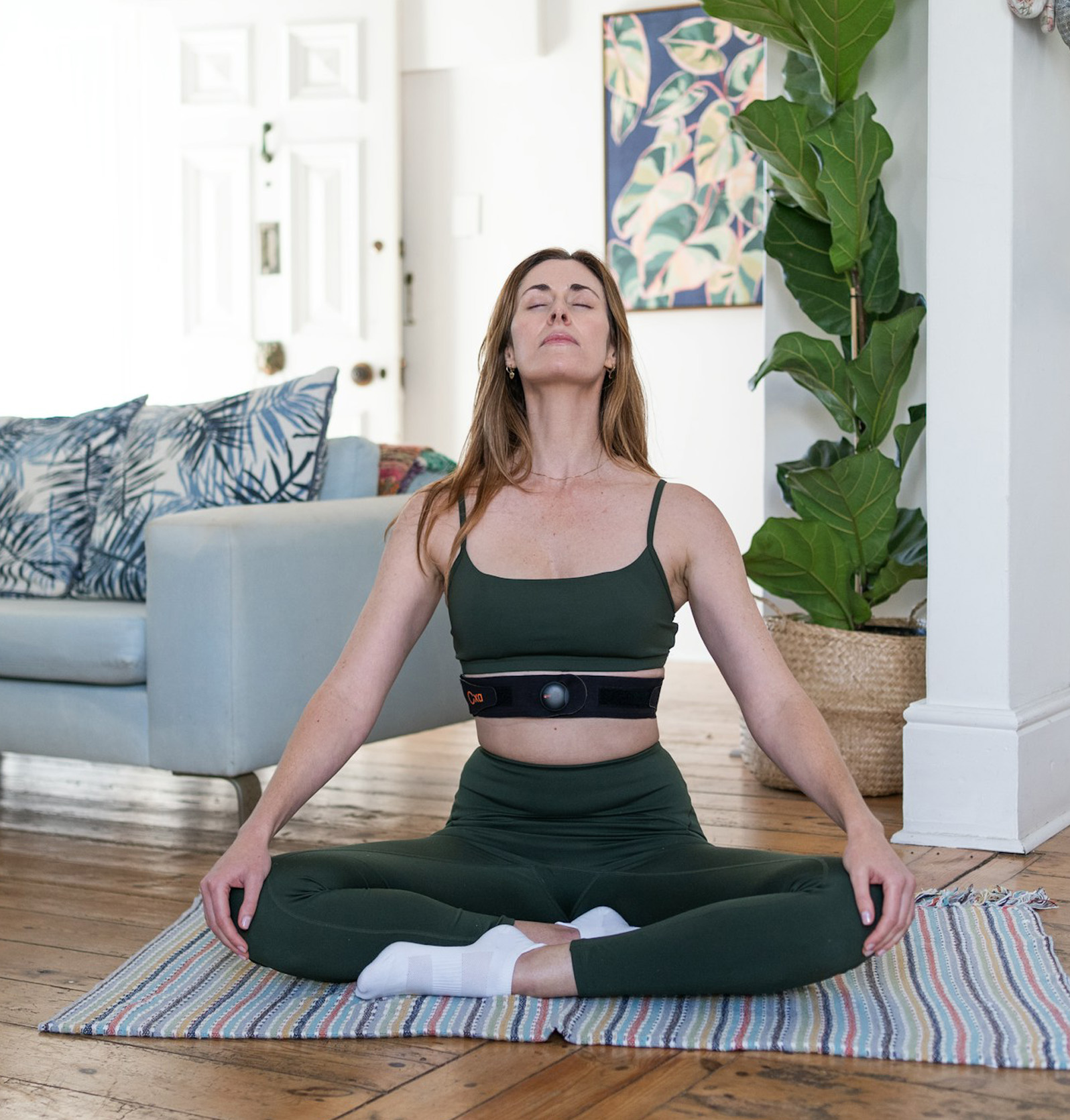
This breathing technique activates your parasympathetic nervous system, quickly calming your body’s stress response. It is a staple of our stress management sessions. Sit comfortably with your back straight and place the tip of your tongue against the ridge behind your upper front teeth. Exhale completely through your mouth, then:
- Inhale quietly through your nose for 4 counts
- Hold your breath for 7 counts
- Exhale completely through your mouth for 8 counts
- Repeat this cycle 3-4 times
The specific counting pattern helps focus your mind while the extended exhale signals your body to relax.
2. Sensory Grounding Scan
When stress feels overwhelming, this technique helps bring you back to the present moment by engaging your senses:
- Find a comfortable position and close your eyes
- Take three deep breaths
- Notice 5 things you can feel (your feet on the floor, the texture of your clothing, etc.)
- Identify 4 things you can hear around you
- Acknowledge 3 things you can smell or taste
- Visualize 2 things that bring you comfort
- Focus on 1 positive thought or affirmation
This progressive focusing helps interrupt racing thoughts and creates immediate mental relief.
3. Rapid Tension Release
This technique helps release physical tension that accompanies stress and anxiety:
- Sit or lie down comfortably
- Take a deep breath and tense all the muscles in your body at once
- Hold for 5-7 seconds
- Release completely while exhaling slowly
- Notice the sensation of relaxation flowing through your body
- Repeat 2-3 times, focusing on the contrast between tension and release
The dramatic difference between tension and relaxation helps your body recognize and remember the relaxed state.
4. Safe Place Visualization
Creating a mental sanctuary provides immediate emotional relief during stressful situations:
- Close your eyes and take several deep breaths and let them out slowly
- Imagine a place where you feel completely safe and peaceful
- Engage all your senses—notice what you see, hear, smell, feel, and taste
- Add details that enhance your sense of comfort and security
- When the image is clear, create a simple gesture (like touching your thumb and finger) to anchor this feeling
- Practice returning to this place briefly throughout your day
With regular practice, even briefly thinking about your safe place can trigger relaxation.
5. Self-Suggestion Loop
This technique uses positive suggestions to shift your mental state:
- Get comfortable and take several deep breaths and let them out slowly
- Repeat a carefully chosen phrase that addresses your specific needs.
- Examples: “With each breath, I become more calm and centered” or “I release tension and embrace peace”
- Allow the phrase to become a gentle background rhythm in your mind
- Continue for 3-5 minutes, letting the suggestion sink deeper with each repetition
The key is choosing a suggestion that feels believable and addresses your immediate need.
Making These Techniques Part of Your Life
For maximum benefit, practice these techniques regularly—not just during difficult moments. A few minutes of daily practice strengthens your ability to enter a self-hypnotic state quickly when you need relief. Many people find it helpful to practice first thing in the morning, during a midday break, or before bed if you are working on improving your sleep.
Remember that self-hypnosis is a skill that improves with practice. Be patient with yourself as you learn these techniques, and notice which ones work best for your specific needs.
While these self-hypnosis techniques can provide immediate relief from everyday stress and anxiety, persistent or severe symptoms may benefit from professional support. A trained hypnosis practitioner can provide personalized guidance and more advanced techniques tailored to your specific situation.
With practice, these five self-hypnosis techniques can become powerful tools in your personal wellbeing toolkit, providing relief whenever and wherever you need it.


